How a Dating Therapist Can Help You Find Love
What is a Dating Therapist and Why Does It Matter?
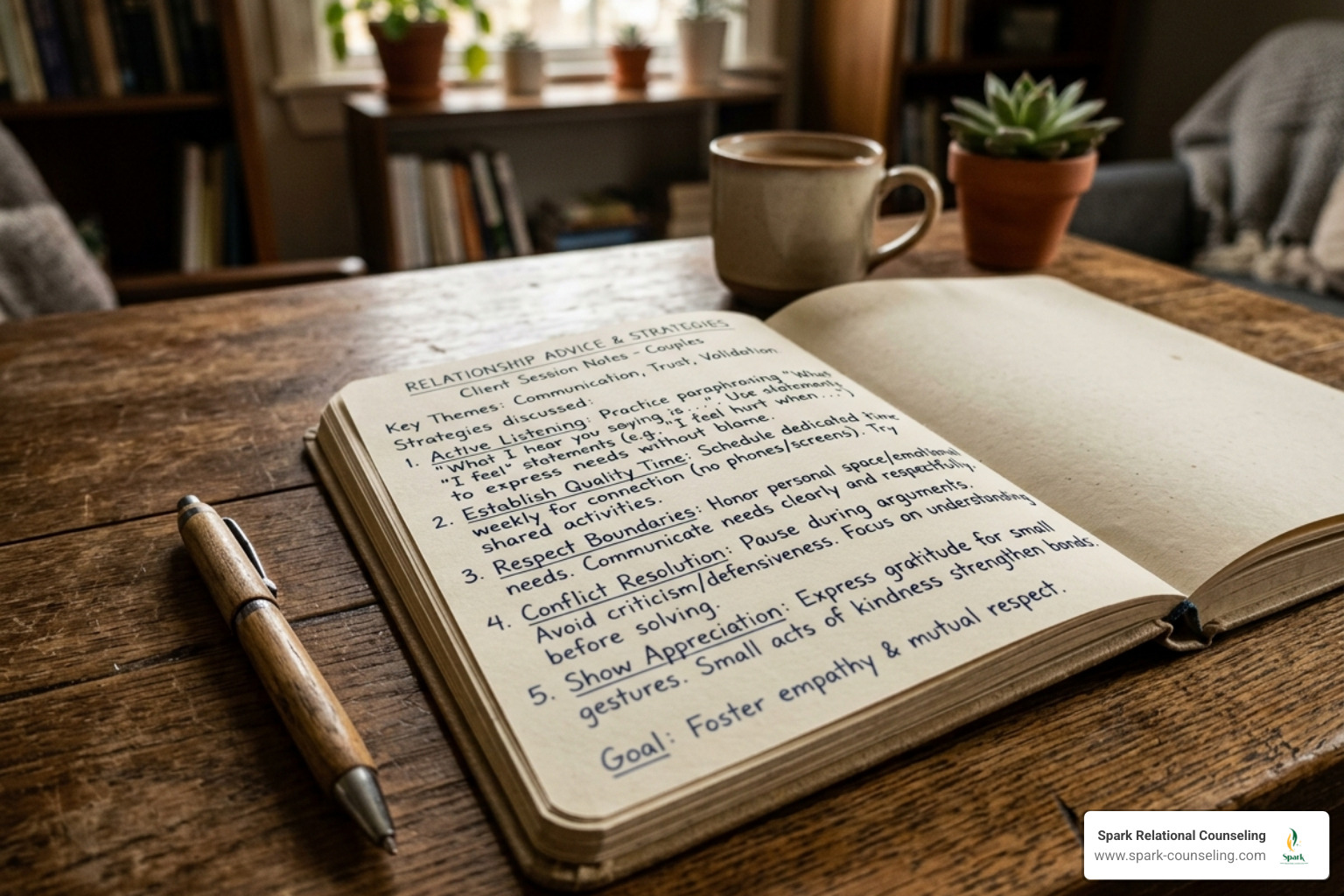
At its core, a dating therapist is a licensed clinician who specializes in the intersection of mental health and romantic attraction. While a general therapist might help you with anxiety or depression in a broad sense, a dating therapist zooms in on your "relational wellness." They look at why you choose the people you do, how you respond when things get intimate, and what happens to your sense of self when a relationship ends.
This matters because dating is often the most vulnerable activity we engage in as adults. It triggers our deepest fears of abandonment and inadequacy. When we talk about clinical depth, we are referring to the ability to look beneath the surface of a "bad date" to find the underlying attachment theory at play. Are you subconsciously seeking out partners who are emotionally unavailable because that felt familiar in childhood? Do you sabotage healthy connections because security feels boring or even threatening to your nervous system?
Working with a dating therapist allows you to identify these relational patterns before they become decade-long habits. Unlike casual advice from friends, this process is rooted in psycho-education and clinical expertise. It provides a mirror to your internal world, helping you see the "why" behind your "what."
| Feature | Dating Therapist | Dating Coach |
|---|---|---|
| Credentials | Licensed (LMFT, LCSW, PhD) with clinical oversight. | Varies; often unregulated certifications. |
| Focus | Root causes, trauma, and internal attachment healing. | External tactics, profile tips, and "vetting" skills. |
| Scope | Can treat anxiety, depression, and PTSD. | Focuses on behavioral goals and "pep talks." |
| Depth | Explores past influences on present choices. | Focuses primarily on the "here and now." |
Dating Therapist vs. Dating Coach: Understanding the Clinical Difference
It is common to confuse these two roles, but the distinction is vital for your long-term healing. A dating coach is often like a sports coach; they help you with the "playbook." They might help you write a better bio or give you a push to attend more social events. This can be helpful, but it often stops at the behavioral level.
A dating therapist, however, provides trauma-informed care. If your "dating fatigue" is actually a symptom of a dysregulated nervous system or past relational trauma, a coach’s advice to "just keep swiping" can actually cause more harm. Therapists are trained to recognize when a client is hitting an emotional threshold that requires gentle processing rather than a "tough love" push.
Licensure ensures that your provider has thousands of hours of supervised experience in human psychology. They aren't just giving you their opinion based on their own dating success; they are using established modalities to help you achieve root cause exploration.
Healing the "Negative Brain Autopilots" in Your Love Life
In our practice, we often see high-achieving individuals who are successful in every area of life except romance. They feel like they are failing a test that everyone else is passing. This is where the concept of "negative brain autopilots" comes in. These are the reflexive, unconscious patterns that take over when we feel vulnerable.
May Han and Spark Relational Counseling specialize in helping you identify these autopilots using advanced therapeutic modalities. For instance, AEDP (Accelerated Experiential Dynamic Psychotherapy) focuses on helping you stay with the "felt sense" of your emotions in the moment. Instead of just talking about your fear of rejection, we help you process that fear as it arises in the session, allowing for a corrective emotional experience.
We also utilize Brainspotting, a powerful tool that locates points in your visual field that correlate with emotional "spots" in the brain. This helps bypass the logical mind—the part of you that already knows you shouldn't text your ex—and reaches the subcortical brain where the trauma is actually stored. By combining these with Experiential therapy, we move beyond intellectualizing your problems and into true, somatic healing.
Navigating Modern Dating Culture with Mindfulness
Modern dating technology provides more access than ever before, but it rarely provides quality experiences. In April 2026, the digital landscape is more crowded than ever, leading to a phenomenon known as "app fatigue." You might find yourself mindlessly scrolling, feeling a "pit in your stomach" when you see a certain type of profile, or feeling "ghosted" and immediately spiraling into self-doubt.

A dating therapist helps you build rejection resilience. This isn't about becoming "numb" to rejection; it's about learning to recognize that a stranger's lack of interest is not a verdict on your worth. We use mindfulness to help you notice when you are reaching an emotional threshold—that point where you are no longer dating for connection but are instead dating from a place of compulsion or anxiety.
Setting manageable boundaries is another key pillar. This might mean:
- Limiting app use to specific times of day to protect your peace.
- Learning to say "no" to a second date when you feel a lack of alignment, even if the other person is "nice."
- Recognizing when a "situationship" is draining your emotional battery and having the tools to end it clearly.
The Unique Dynamic of Dating a Therapist
A question that often arises in our circles is: Should you date a therapist? There is a layer of intrigue here. Therapists bring heightened emotional intelligence and a non-judgmental, solution-oriented mindset to their personal lives. They are often excellent listeners and are very clear about expressing their needs.
However, dating a therapist comes with unique dynamics. They may have a tendency toward "over-processing" or may find it difficult to "take off the therapist hat" at the end of a long day of holding space for others. They are "incredibly aware of their shit," which can be intimidating for a partner who is less inclined toward deep emotional work.
In a healthy relationship with a therapist, professional detachment is replaced by authentic vulnerability. They aren't there to diagnose you; they are there to be an equal partner. If you find yourself dating a clinician, the best practice is to maintain clear emotional boundaries and ensure you have your own support system so you aren't treating your partner as your personal counselor.
The Process of Transformation: How Dating Therapy Works
Dating therapy is a collaborative journey. It typically begins with an initial consultation where we discuss your goals and current roadblocks. From there, the sessions become a safe space to explore your history and practice new ways of being.

We utilize Emotionally Focused Therapy (EFT) to help you understand your "cycle." For example, when a new partner doesn't text back for four hours, do you become "pursuing" (sending more texts to ease anxiety) or "withdrawing" (deciding you didn't like them anyway to protect yourself)? By bringing somatic awareness to these moments, you can learn nervous system regulation. Instead of your body reacting as if there is a life-threatening emergency, you can breathe, stay present, and choose a response that aligns with your values.
This work isn't just for singles. Many people in early relationships use dating therapy to "tune up" their communication before small issues become ingrained patterns. It is a way to build a solid foundation of equity and care from the very beginning.
Learn more about dating therapy in Portland
Finding the Right Dating Therapist for Your Journey
The "therapeutic alliance"—the bond between you and your therapist—is the single greatest predictor of success in therapy. When looking for a dating therapist, look for specific credentials like LMFT (Licensed Marriage and Family Therapist) or LCSW (Licensed Clinical Social Worker). These professionals have specific training in systems theory and relational dynamics.
You should also look for specialized training in the areas that matter to you. If you are navigating non-monogamy, look for a "kink-friendly" or "poly-affirming" provider. If you are a high-achiever struggling with burnout, look for a therapist who understands the unique pressures of your lifestyle. At Spark Relational Counseling, we offer virtual sessions across Oregon, Washington, and Illinois, ensuring you can find a specialist who fits your needs regardless of your specific neighborhood.
Frequently Asked Questions about Dating Therapy
How long does dating therapy typically last?
There is no "one size fits all" answer, but many clients begin to see a shift in their perspective within 8 to 12 sessions. Some people choose short-term, goal-oriented work to navigate a specific dating hurdle, while others prefer ongoing support to deeply rewire long-standing attachment wounds.
Can dating therapy help with post-breakup recovery?
Absolutely. Heartbreak is one of the most common reasons people seek out a dating therapist. Therapy helps you make meaning of the pain, identify why the relationship was significant, and—most importantly—ensure you don't carry the same "negative brain autopilots" into your next connection. It is a space to grieve respectfully and move forward with more self-awareness.
What qualifications should I look for in a provider?
Beyond basic licensure, look for a therapist who mentions relational modalities like EFT, AEDP, or Internal Family Systems (IFS). These approaches are specifically designed to handle the complexities of human connection. A good therapist will always offer a free consultation to ensure you feel comfortable and understood before you begin.
Conclusion
Dating does not have to feel like a second job or a source of constant anxiety. By working with a dating therapist, you can move from a place of "swiping fatigue" to a place of intentional, authentic connection. Whether you are in Portland, Seattle, or Chicago, the goal remains the same: to help you find relational peace and a love that feels like home.
You deserve a relationship that offers acceptance, intimacy, and spontaneity. If you are ready to stop repeating the same cycles and start building a fearlessly authentic life, we are here to help.