
When "We Need Help" Feels Like the Hardest Thing to Say
If you've been quietly searching for marital counseling near me, you're not alone — and reaching out is already a meaningful step.
| What You're Looking For | Quick Answer |
|---|---|
| What is marital counseling? | A structured therapy process where a licensed therapist helps couples improve communication, rebuild trust, and strengthen emotional connection. |
| Who is it for? | Any couple experiencing recurring conflict, emotional distance, broken trust, or a major life transition — not only couples in crisis. |
| How do I find one near me? | Search licensed therapists in your state through directories like Psychology Today, or work with a telehealth practice that serves your state. |
| How long does it take? | Most couples attend 12–20 weekly sessions over 3–5 months, with maintenance check-ins after the active phase. |
| Does it work? | Research shows around 70–75% of couples report meaningful improvement after completing couples therapy. |
Picture this: you and your partner are sitting in the same room, but the silence between you feels miles wide. Conversations that once came easily now end in tension — or don't happen at all. You're functioning, even thriving on the outside, but something underneath has quietly shifted. That slow drift is one of the most common reasons couples seek support, and it doesn't mean something is broken beyond repair. It simply means the relationship is asking for attention.
Marital counseling offers a structured, supported space to slow down, hear each other again, and begin rebuilding from where you are — not from where you think you should be.
I'm May Han, a Licensed Marriage and Family Therapist at Spark Relational Counseling, where I work with couples in Oregon, Washington, and Illinois using mindfulness and Emotionally Focused Therapy to help partners break through autopilot patterns and reconnect. My work in marital counseling has shown me that even deeply stuck relationships carry more capacity for warmth and closeness than couples often believe is possible.
Understanding Marital Counseling and How It Works
At its core, marital counseling is not about a third party deciding who is right or wrong. It is an experiential process designed to help you and your partner step out of repetitive, exhausting cycles and step into a shared space of emotional safety.
In our practice, we utilize experiential therapy to go beyond the surface of what you fight about—such as the dishes, the finances, or the schedules—and focus instead on how you connect. By cultivating somatic awareness, we help you notice where tension lives in your body when a conflict begins. When you learn to identify these physical sensations, you can pause before your default defense mechanisms take over.
This process relies heavily on co-regulation. When one partner becomes highly activated, the other's nervous system naturally responds, often escalating the tension. Through guided, in-session exercises, we slow these moments down. You will learn to soothe your own nervous system and, in turn, help soothe your partner's. For a deeper look into how these relational dynamics function, you can explore our Therapy for Relationship Issues: A Complete Guide.
The Difference Between Marriage Counseling and Couples Therapy
While the terms are frequently used interchangeably, they can carry slight nuances depending on your therapeutic goals.
- Marriage Counseling: Historically, this format has focused specifically on legally married couples. It often addresses immediate, situational challenges or transitions—such as navigating a new parenting stage, recovering from a specific breach of trust, or managing a major life transition—and is sometimes more solution-focused.
- Couples Therapy: This is a broader term that applies to any committed partnership, regardless of marital status. It tends to dive deeper into the underlying relational dynamics, exploring how early childhood attachment histories and long-standing patterns influence how you show up for each other today.
Whether you are seeking support for a legally recognized marriage or a deeply committed partnership, the goal remains the same: helping you move from a place of disconnection to a secure, resilient bond. Before you begin, it is helpful to understand What Every Couple Needs to Know Before Starting Couples Therapy to align your expectations.
Finding Marital Counseling Near Me for Lasting Connection
When searching for marital counseling near me, it is essential to consider state-specific regulations and licensing requirements. Marriage and family therapists must be fully licensed in the state where the client is physically located during the session.
For those seeking local or virtual therapy in our primary service areas, specialized directories can help you find clinicians who match your specific needs. If you are located in the Pacific Northwest, you can browse verified local professionals through the Psychology Today Couples Therapists in Oregon directory or find specialists via the Psychology Today Couples Therapists in Washington platform.
For couples seeking focused, in-person, or virtual care in the Portland metro area, we invite you to learn more about our approach to Marriage Counseling Portland, OR.
Recognizing the Signs: Do You Need Marital Counseling Near Me?
It is a common misconception that couples should only seek therapy when they are on the brink of divorce. In reality, the most successful outcomes occur when partners seek support before their patterns become deeply entrenched.

How do you know if it is time to look for professional support? Consider these common signs:
- Communication Erosion: Your conversations have drifted into logistics, schedules, and superficial updates. Harder, more vulnerable topics are avoided to keep a fragile peace.
- Feeling Like Roommates: You share a home, a budget, and perhaps children, but you no longer feel emotionally or physically connected. The warmth has been replaced by a polite, distant routine.
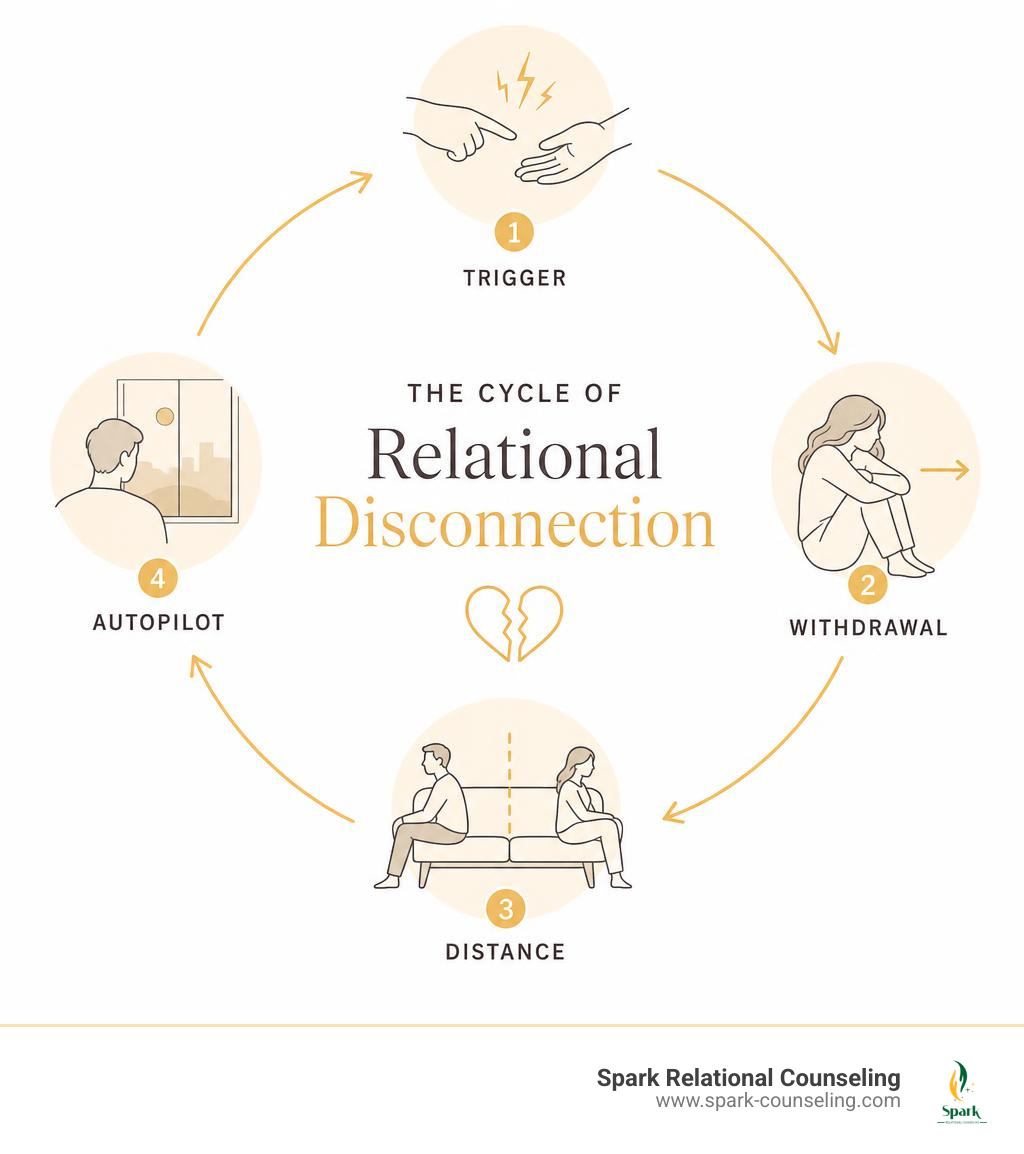
- Frequent, Unresolved Cycles: You find yourselves having the exact same argument over and over, with the same escalation, withdrawal, and lingering resentment, never reaching a true resolution.
If you recognize these dynamics in your daily life, exploring structured Marriage Counseling can provide the tools needed to interrupt this drift.
Common Reasons Couples Seek Support
Relationships are dynamic, and challenges can arise at any stage. Some of the most frequent catalysts for entering therapy include:
- Infidelity Recovery: When trust is shattered, the emotional fallout can feel impossible to navigate alone. Understanding What Infidelity Does to a Marriage is a painful but necessary step, and learning How Therapy Helps Couples Rebuild Trust After Infidelity offers a structured roadmap back to emotional safety.
- Parenting Conflicts: Differing discipline styles, household imbalances, and the sheer exhaustion of raising children can place a massive strain on a partnership.
- Life Transitions: Retirement, career shifts, relocating, or becoming empty nesters can disrupt your established relational rhythm, forcing you to renegotiate how you spend your time and energy.
- Attachment Incompatibilities: Often, one partner has an anxious attachment style while the other has an avoidant style. This classic dynamic can cause one partner to pursue connection while the other retreats. Exploring Attachment Styles and Connection helps both of you understand these automatic behaviors without judgment.
Navigating the Crossroads of Separation or Divorce
For some couples, they arrive at therapy not quite sure if they want to stay together. Today, approximately 50 to 67 percent of marriages end in divorce, and many couples wait years before seeking professional support.
If you are standing at this crossroads, discernment counseling can help. Rather than focusing immediately on fixing the relationship, discernment counseling is a short-term process (typically 1 to 5 sessions) designed to help you gain clarity and confidence about which path to take: carving out a new path of reconciliation, moving toward a collaborative separation, or maintaining the status quo.
Even if separation or divorce is ultimately chosen, therapy can provide invaluable transition support. It helps couples co-parent effectively, minimize emotional harm to children, and process the grief of the relationship ending with mutual respect.
The Experiential Path: EFT, AEDP, and Mindfulness
At Spark Relational Counseling, we believe that intellectualizing your relationship problems is rarely enough to change them. You likely already know what you are arguing about; what you need is a new way of being together in those moments of tension.
To facilitate this deeper healing, we draw from evidence-based experiential modalities:
- Emotionally Focused Therapy (EFT): EFT focuses on the emotional bonds between partners. It helps you identify your underlying attachment fears—such as the fear of rejection or abandonment—and express them in a way that invites your partner closer, rather than pushing them away.
- Accelerated Experiential Dynamic Psychotherapy (AEDP): AEDP emphasizes processing deep emotional experiences in the safety of the therapeutic relationship. It focuses on undoing "aloneness" and helping you process difficult emotions in real-time.
- Brainspotting: When trauma or deep emotional triggers block communication, Brainspotting can help access and process the subcortical brain where these traumatic memories and somatic tensions are held.
| Therapeutic Modality | Core Focus | How It Helps Your Relationship |
|---|---|---|
| Emotionally Focused Therapy (EFT) | Attachment bonds and emotional safety | Identifies negative cycles and helps partners express underlying emotional needs. |
| Accelerated Experiential Dynamic Psychotherapy (AEDP) | Processing deep emotions in the present moment | Fosters a deep sense of shared emotional safety and undoes feelings of isolation. |
| Brainspotting | Subcortical processing of trauma and triggers | Bypasses cognitive loops to release deep-seated somatic tension and relational trauma. |
Healing Attachment Styles and Emotional Thresholds
When we experience relational distress, our nervous system reacts as if our physical safety is threatened. This is emotional activation.
Through experiential therapy, we help you recognize your unique emotional thresholds—the exact point where you transition from feeling calm to feeling overwhelmed, defensive, or shut down. By tracking somatic sensations (like a tight chest, a racing heart, or a sudden urge to walk away), you can learn to set manageable boundaries. Rather than reacting automatically out of your childhood attachment patterns, you learn to say, "I am starting to feel overwhelmed, and I need to take a slow breath before I respond."
Mindfulness and Rewiring Brain Autopilots
Our brains are wired for efficiency, which means we quickly develop "autopilot" patterns in our relationships. If your partner sighs, your brain might automatically translate that as, "They are disappointed in me," triggering an instant defensive response.
Mindfulness-based relational therapy helps you interrupt these negative brain autopilots. By bringing present-moment awareness to your interactions, you can see your partner’s vulnerability beneath their anger, and your own fear beneath your withdrawal. Over time, this conscious awareness allows you to choose connection over defense, paving the way for lasting peace. To explore how this works in daily practice, read our guide on How Mindfulness Builds Loving Relationships.
What to Expect: Timeline, Cost, and Your First Session
Starting therapy can feel intimidating, but knowing what to expect can help ease the transition.

The First Session and Confidentiality Safeguards
Your initial session is primarily an intake assessment. We will discuss your relationship history, your current pain points, and your shared goals for therapy.
It is important to know that we maintain a "no secrets" policy in our couples work. This means that while individual sessions may occasionally be utilized to support the joint process, any relevant information shared individually with the therapist will not be kept confidential from the other partner if it directly impacts the therapy goals. This safeguard ensures clinical neutrality and maintains a transparent, balanced environment where both partners feel equally supported.
How to Choose the Right Marital Counseling Near Me
In May 2026, virtual therapy has become a highly effective and popular option for busy couples. Telehealth allows you to join sessions from the comfort of your own home, eliminating commute times and making it easier to coordinate busy schedules.
If you are considering virtual support, make sure your provider is licensed in your state. You can read more about Online Marriage Counseling in Oregon to see if this format fits your lifestyle. For couples residing in the Midwest, you can find qualified state-licensed professionals through the Psychology Today Couples Therapists in Illinois directory.
Frequently Asked Questions About Marital Counseling
What if my partner is reluctant to attend therapy?
It is incredibly common for one partner to feel hesitant about starting therapy. If your partner is reluctant, approach the topic gently and with empathy. Frame therapy as a proactive investment in the relationship rather than a punishment or a last resort.
If they remain hesitant, you can absolutely begin the process on your own. Working with a therapist individually can help you shift your own relational dynamics, which often naturally invites your partner to engage. To understand how this works, read our article on Can Just One Person Go to Marriage Counseling.
How long does marriage counseling typically last?
While every relationship is unique, most couples we work with complete 12 to 20 weekly sessions, which is roughly 3 to 5 months of active treatment. This active phase is focused on identifying negative patterns, building somatic awareness, and practicing co-regulation. Once you feel stable and connected, we transition to monthly or seasonal maintenance check-ins to ensure your new, healthy patterns remain strong.
What is the success rate of Emotionally Focused Therapy?
According to extensive research from the American Association for Marriage and Family Therapy (AAMFT), approximately 70% of couples who complete couples therapy report meaningful, lasting improvement. Emotionally Focused Therapy (EFT) specifically boasts a 70 to 75% recovery rate from relational distress, with sustained gains that continue long after the therapy sessions have ended.
Conclusion
Taking the step to search for marital counseling near me is an act of courage and an investment in your shared future. Relationships do not drift apart overnight, and rebuilding a secure, loving connection takes time, patience, and professional guidance.
At Spark Relational Counseling, May Han and our dedicated team are committed to helping you navigate these transitions with compassion and clinical expertise. By combining mindfulness-based relational therapy with evidence-based experiential modalities, we help couples in Oregon, Washington, and Illinois counter negative brain autopilots and cultivate lasting peace.
If you are ready to move from disconnection to a secure, vibrant bond, we invite you to explore the Spark Relational Counseling Marriage Services and schedule a consultation today.
