
Foundational Relationship Help for Women: Recognizing Healthy vs. Unhealthy Dynamics
Relationship help for women starts with recognizing the difference between emotional safety and persistent anxiety. Healthy partnerships are built on emotional safety, reciprocal vulnerability, and mutual respect. When you are in a secure dynamic, you do not have to perform, minimize your needs, or walk on eggshells to maintain connection. Your emotional reality is validated, even when you and your partner hold different perspectives.
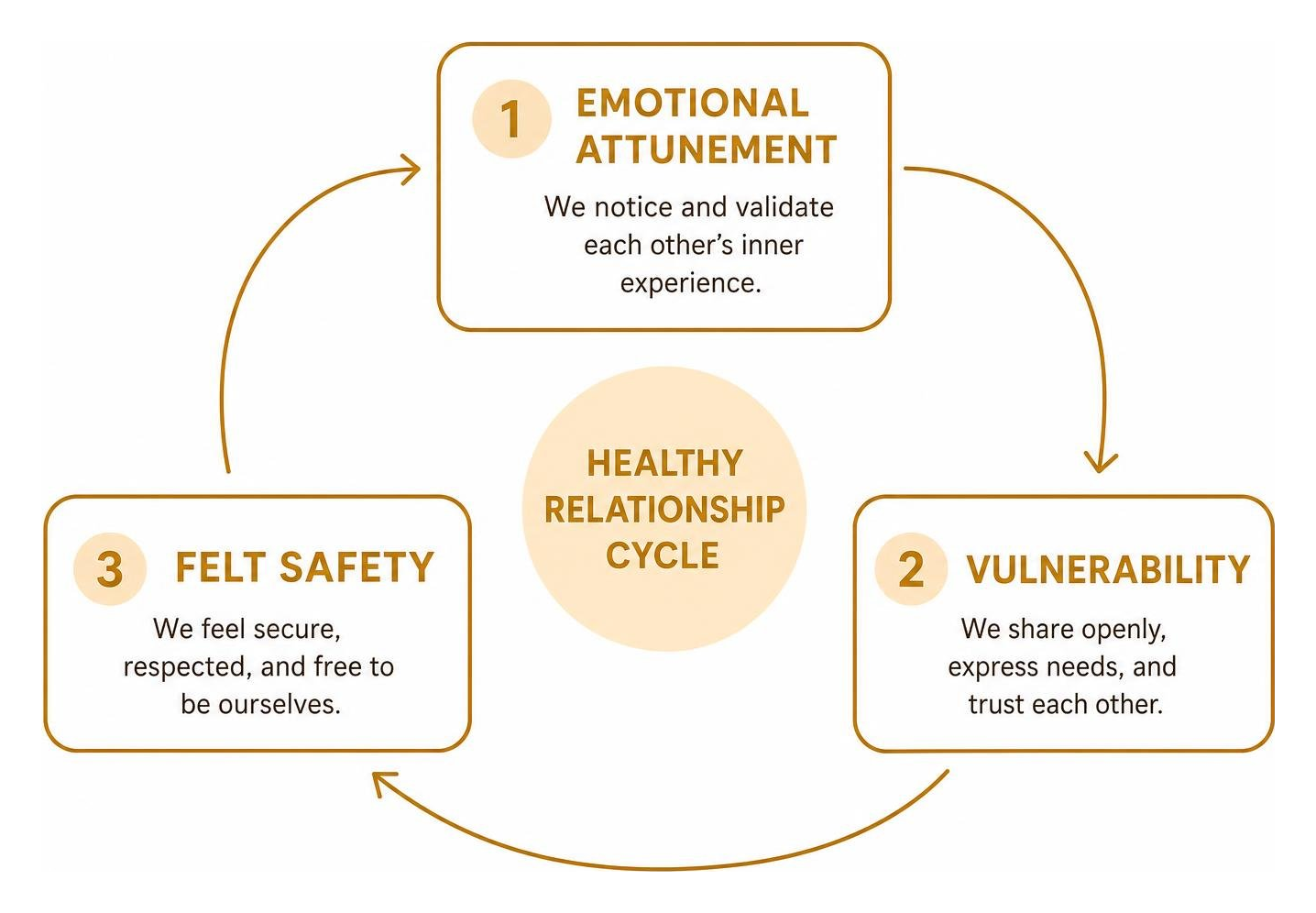
At Spark Relational Counseling, May Han and our clinical team view relational health through an attachment and experiential lens. According to the JED Foundation, relationship distress often stems from unresolved conflict, attachment mismatches, financial tension, or breaches of trust. When these challenges arise, the health of the partnership is determined by how both people respond to emotional distress.
In healthy dynamics, partners engage in emotional attunement. In unhealthy dynamics, conversations often devolve into defensiveness, dismissal, or manipulation. When navigating modern dating or re-evaluating a long-term partnership, seeking dating therapy for women in Oregon can provide invaluable support for untangling these patterns.
| Relationship Dynamic | Green Flag Indicator | Red Flag Warning |
|---|---|---|
| Response to "No" | Accepts boundaries with grace, curiosity, and respect | Reacts with guilt-tripping, anger, passive-aggression, or pressure |
| Communication | Open-ended curiosity; validates your feelings during conflict | Defensiveness, stonewalling, contempt, or gaslighting |
| Pacing | Allows connection to unfold naturally over time | Rushes intimacy, demands immediate commitment, or love bombs |
| Consistency | Words and actions match over weeks and months | Grand promises with minimal daily follow-through or unpredictable effort |
| Emotional Safety | You feel relaxed, authentic, and calm in their presence | You feel hypervigilant, exhausted, or like you are walking on eggshells |
Early Dating Clues: Red Flags, Green Flags, and Love Bombing
The early stages of dating can be intoxicating. Research summarized by the American Psychological Association notes that shared core values and emotional stability predict long-term satisfaction far more than instant chemistry. When neurochemicals like dopamine and oxytocin flood your system, it is easy to mistake high intensity for deep intimacy.
Love bombing is a common pattern where a new partner overwhelms you with excessive affection, grand declarations, gifts, and premature plans for the future. While it feels flattering initially, love bombing often functions as an unconscious or deliberate mechanism of control. It creates an artificial sense of urgency, bypassing the gradual process of building authentic trust.
To evaluate character accurately, pay attention to behavioral consistency over ordinary days. Notice how they treat service workers, how they handle minor inconveniences, and whether they respect your schedule. For ambitious professionals, receiving support for high-achieving women navigating dating can help align your relational standards with your personal worth, ensuring you pace your connection thoughtfully.
Breaking Free from Codependency and the Urge to Fix
Many women are socialized to act as emotional caretakers, instinctively rushing to soothe distress and keep the peace.
Imagine this scenario: Your partner comes home in a foul mood, slamming cupboards and sighing heavily. Your chest tightens. Before you even realize what you are doing, you are asking what is wrong, offering to make dinner, apologizing for things you didn't do, and trying desperately to shift their mood.
This automatic urge to fix is often a fawning survival response. When we experience emotional distress in our environment, our nervous system attempts to secure safety by appeasing the other person. However, constantly managing another adult's emotions leads to severe emotional burnout and self-abandonment.
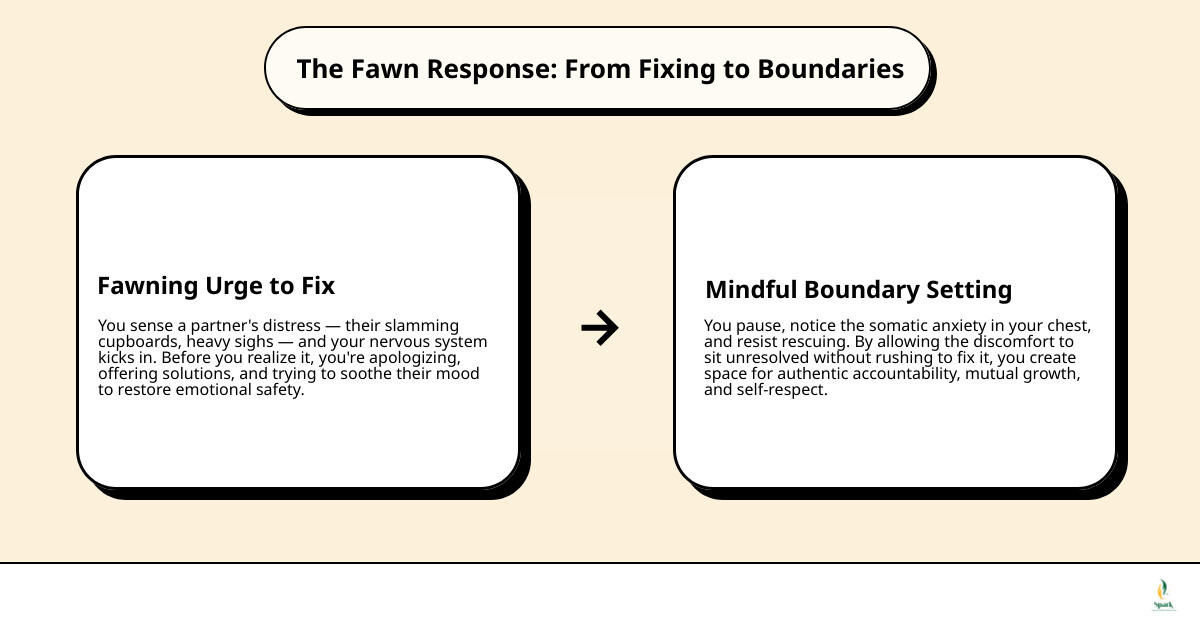
Breaking this cycle requires experiential unlearning. Through modalities like Accelerated Experiential Dynamic Psychotherapy (AEDP) and Emotion-Focused Therapy (EFT), you can learn to notice the somatic sensation of anxiety in your body and pause. You do not have to absorb or repair your partner's discomfort. Allowing a difficult moment to sit unresolved without rushing to rescue the interaction creates space for authentic accountability and mutual growth.
Mastering Communication, Boundaries, and Emotional Intimacy
True intimacy is built on honest, vulnerable exchanges rather than defensive posturing. When you need to communicate a sensitive need or address a recurring friction point, the goal is emotional attunement rather than winning an argument.
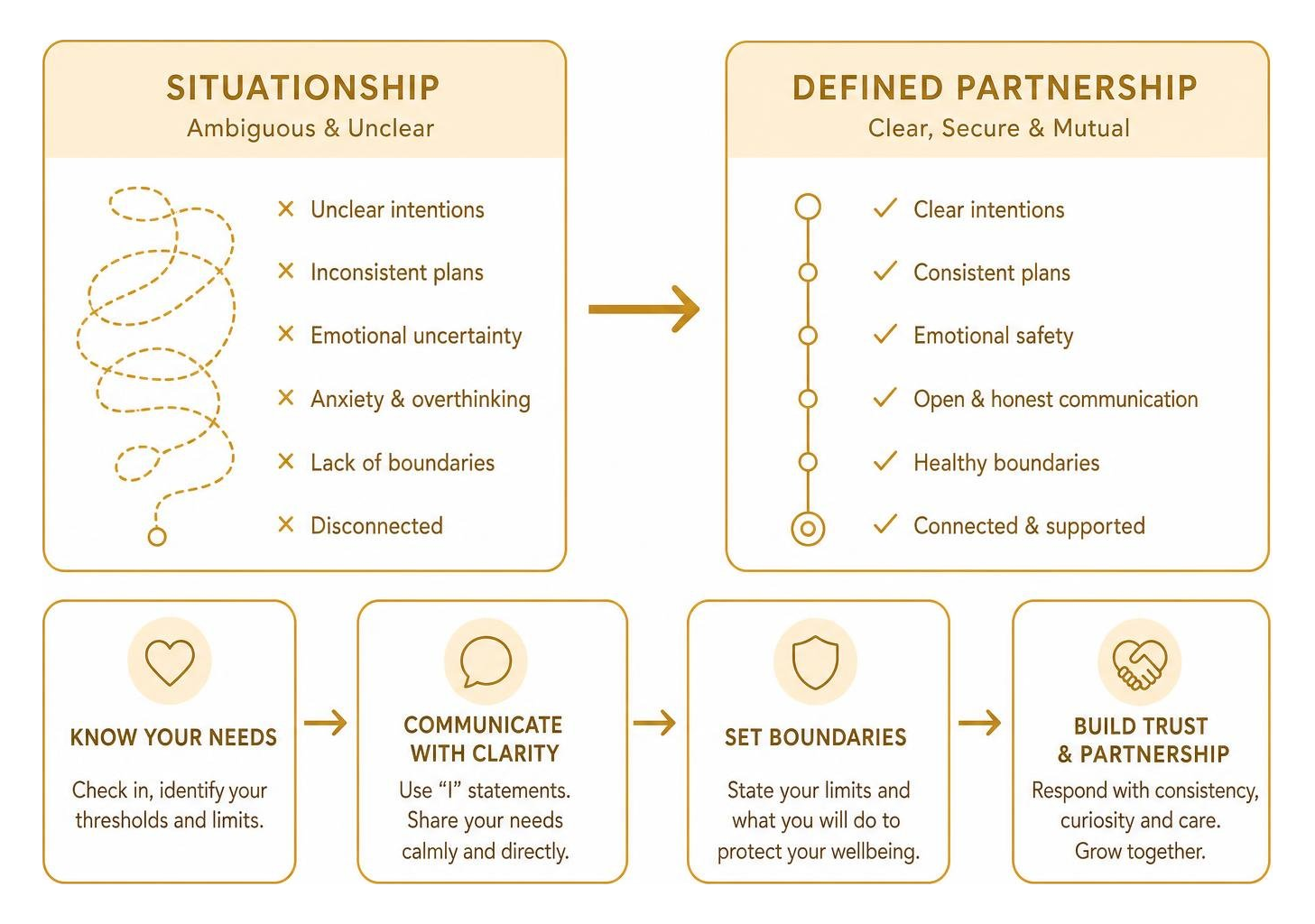
Effective relational communication involves shifting from control to curiosity. Instead of entering a conversation with an accusatory tone, focus on expressing your internal experience using "I" statements:
- "I feel disconnected when our evenings are spent entirely on screens, and I would love to create twenty minutes for us to talk."
- "I notice I feel anxious when plans change at the last minute. Can we figure out a better system for checking in during the week?"
When both partners cultivate curiosity about what lies beneath the surface—fears of inadequacy, loneliness, or overwhelm—conversations shift from hostile debates into moments of collaborative repair.
Setting Firm Boundaries Without Pushing Your Partner Away
A boundary is not an ultimatum designed to control another person's behavior; it is a clear statement of your own emotional thresholds and limits. Healthy boundaries protect the connection by preventing the buildup of quiet resentment.
When establishing a boundary, clarity and calm delivery are paramount:
- Identify the Internal Threshold: Use mindfulness to check in with your physical body. Tightness in your throat, a clenched stomach, or sudden exhaustion are physical markers that a personal boundary is being crossed.
- State the Need Simply: Avoid over-explaining, apologizing, or justifying your limit.
- Focus on Your Action: State what you will do to maintain your balance if the boundary is not honored. For example: "I value our conversations, but I cannot continue talking while voices are raised. I am going to take a twenty-minute walk, and we can reconnect when we are both feeling calmer."
When a partner genuinely values you, they will welcome the clarity your boundaries provide. As explored in resources like The Complete Relationship Guide for Women 2026 - The Contextual Life, expressing limits clearly is an act of self-respect that invites deeper partnership.
Relationship Help for Women Overcoming Trust Issues and Deepening Intimacy
If you have experienced betrayal, emotional abandonment, or relational trauma in the past, opening up to a partner can feel terrifying. Trust is not a switch that flips on overnight; it is built through hundreds of micro-moments of vulnerability and emotional responsiveness.
When you are navigating relationships as a woman with trust issues, your nervous system may interpret even minor inconsistencies as impending threats. Experiential modalities and Brainspotting can help process these deep-seated somatic triggers, allowing you to separate past wounds from present realities.
By taking measured risks—sharing a vulnerable feeling, asking for comfort, or expressing an insecurity—you give your partner the opportunity to show up for you. As they respond with consistency and care, new neural pathways of safety and trust are forged. Grounding your insights in resources like Relationship Advice for Women That’s Grounded in Reality and Women's Dating and Relationship Advice, Honest Guidance can help you stay anchored in practical wisdom.
Navigating Modern Dating Realities: Situationships, Independence, and Balance
The modern dating landscape presents unique challenges, from the ambiguity of undefined "situationships" to the emotional drain of endless app interactions. Ambiguity often thrives when we are afraid that asking for clarity will drive someone away. However, staying in perpetual confusion costs you your peace of mind.
Your romantic life is only one component of a rich, vibrant existence. Sociological research consistently demonstrates that strong social ties contribute to greater happiness, better physical health, and increased longevity. Investing in close friendships, creative passions, and community keeps you emotionally grounded. Understanding how women can foster meaningful connections to combat loneliness helps ensure you build an expansive support system rather than expecting one romantic partner to meet every emotional need.
Relationship Help for Women Balancing Togetherness with Independence
A thriving long-term partnership requires healthy interdependence—a secure bond between two complete individuals who maintain their own identities. When partners merge completely, losing their distinct interests and personal routines, relationships often suffer from a loss of vitality and attraction.
Maintaining your individuality involves intentional practices:
- Nurturing Solo Interests: Continue pursuing hobbies, creative endeavors, and educational goals that belong solely to you.
- Protecting Solitude: Set aside dedicated time each week for quiet reflection, reading, or personal rest.
- Supporting Mutual Growth: Celebrate your partner's individual pursuits and friendships without interpreting their separate time as a rejection of the bond.
When both partners have space to evolve independently, they bring fresh perspective, curiosity, and vitality back into the shared relationship.
Healing from Heartbreak or Rebuilding After Infidelity
Navigating the aftermath of a major betrayal or the end of a significant partnership is one of the most painful human experiences. When an attachment bond ruptures, our biology processes the loss similarly to physical injury.
If you are choosing to heal together after infidelity, the process requires radical transparency, consistent accountability, and a willingness to explore the underlying vulnerabilities in the relationship. If you are navigating this transition alone, engaging in marriage counseling for one allows you to process grief, identify recurring relational dynamics, and reclaim your sense of self-worth.
For additional perspectives on knowing when a partnership cannot be repaired, articles like How to Stop Fixing a Relationship That's Not Working | Psychology Today and Relationship Advice for Women: What Actually Helps, What Doesn’t, and What Protects Your Peace - Love Text Messages provide compassionate, realistic guidance on protecting your emotional well-being.
Knowing When to Seek Professional Support or Crisis Resources

Relationships experience seasons of stress, but chronic distress, persistent contempt, or safety concerns require professional intervention.
According to national health data, 1 in 4 women has experienced severe physical violence from an intimate partner in her lifetime. If you are experiencing emotional manipulation, physical danger, financial control, or coercion, seeking immediate, confidential safety planning is the highest priority.
Professional Therapy and Healthcare Considerations
When seeking relational therapy, many clients consider using health insurance benefits. While in-network insurance coverage can offset immediate session costs, it is important to understand the structural constraints involved.
To utilize insurance, your therapist is mandated to assign you a formal mental health diagnosis that becomes a permanent part of your medical record. This diagnostic history can carry unintended consequences for future life choices, such as underwriting for private disability or life insurance policies, specific security clearances, or international adoption proceedings. Furthermore, insurance claims require sharing treatment summaries, compromising the strict confidentiality that private-pay relational therapy preserves.
Crisis and Professional Resources
- National Domestic Violence Hotline: For 24/7 confidential, free support, call 1-800-799-SAFE (7233), text "START" to 88788, or visit Domestic Violence Support | National Domestic Violence Hotline.
- State-Specific Crisis Support: If you reside in Illinois, specialized support and advocacy can be accessed through Obtain Domestic Violence Assistance - Illinois.gov.
- Crisis Text Line: Free, 24/7 crisis support via text. Text "CONNECT" to 741741.
- Relational Therapy: Specialized individual and couples counseling using Emotion-Focused Therapy, AEDP, and Brainspotting across Oregon, Washington, and Illinois.
Frequently Asked Questions About Relationship Help for Women
How do I know if I am settling in my relationship?
Settling is characterized by chronic self-abandonment. If you find yourself consistently muting your core values, rationalizing poor treatment, or feeling persistent anxiety rather than grounded peace, you may be staying out of fear rather than authentic compatibility. A healthy partnership expands your world and provides emotional safety; settling shrinks your sense of self.
Why do I keep attracting partners who are emotionally unavailable?
We often gravitate toward relational dynamics that feel familiar to our early attachment conditioning. If love historically required performance, overgiving, or earning validation, your nervous system may mistake emotional unavailability for romantic chemistry. Working with an attachment-focused therapist helps rewire these unconscious relational blueprints, allowing you to recognize and appreciate the calm consistency of emotionally available partners.
What is the most effective way to start a difficult conversation?
Begin with emotional self-regulation and a gentle opening. Ensure neither you nor your partner are overwhelmed, hungry, or pressed for time. State your positive intention for the relationship first, describe the specific situation without using accusatory language ("always" or "never"), and share your vulnerability: "I love our partnership, and I want us to feel closer. When we don't connect during the week, I start to feel lonely. Can we set aside time tonight to talk?"
Conclusion: Reclaiming Your Peace and Building Lasting Connection
Navigating modern relationships requires steady self-trust, emotional clarity, and the courage to honor your own needs. Lasting love is not about flawless performance or sacrificing your identity; it is an ongoing practice of mutual attunement, clear boundaries, and respectful repair.
At Spark Relational Counseling, May Han and our practitioners provide virtual individual and couples counseling across Oregon, Washington, and Illinois. By integrating Emotion-Focused Therapy, AEDP, experiential techniques, and Brainspotting, we help you counter negative brain autopilots, heal old attachment wounds, and cultivate lasting peace.
If you are ready to deepen your connection with yourself and build a resilient partnership, exploring individual therapy for relationship issues is a transformative first step toward the fulfilling relationship you deserve.
