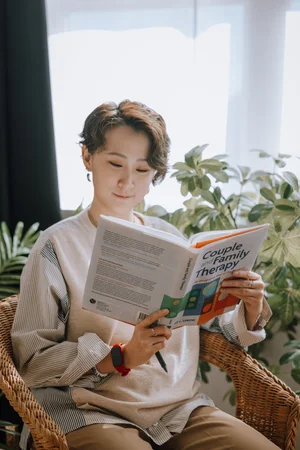
Understanding Anxious Attachment: Signs, Triggers, and Healing-Deep Dive from a Marriage and Family Therapist
Key Takeaways
Anxious attachment is characterized by a deep fear of abandonment and a strong, constant need for reassurance and emotional closeness in relationships.
This attachment style often develops from inconsistent caregiving in childhood, where comfort was sometimes available but at other times completely absent.
You can change your attachment patterns. Through self-awareness, secure relationships, and empathy-based therapy, you can develop "earned security."
Healing involves learning to self-soothe, setting healthy boundaries, and rewiring your nervous system to trust both yourself and your partners.

What Is Anxious Attachment?
Anxious attachment—sometimes called anxious-preoccupied attachment—describes a pattern where you deeply crave intimacy but constantly worry that your partner does not want to be as close as you do. In everyday terms, this means you might feel a high level of relationship anxiety. You heavily invest in your connections, often putting others’ needs before your own, and you might look to your relationships to validate your self-worth.
Anxious attachment is a form of adult attachment that manifests in adult romantic relationships, often leading to emotional insecurity and hypersensitivity to relational cues.
Unlike the fearful-avoidant attachment style, which oscillates between seeking closeness and pushing it away, someone with an anxious attachment style consistently pursues connection. When you feel disconnected from a loved one, your nervous system interprets it as an emergency. You might text repeatedly, seek immediate reassurance, or feel overwhelmed by a deep fear of rejection until the connection is restored. Anxious adults often experience heightened emotional needs and may struggle with insecurity and fear of abandonment in their relationships. You are not “needy” or “too much.” Your brain is simply trying to secure safety in the way it learned long ago.
Anxious attachment in adults affects relationships by creating emotional challenges and patterns of insecurity.
Attachment Theory in Brief
Attachment theory helps us understand how our earliest relationships shape the way we connect with others as adults. British psychiatrist John Bowlby proposed that infants need a reliable “secure base” to feel safe exploring the world. When caregivers respond consistently to a child’s needs, the child learns they are worthy of love and that people can be trusted.
Attachment theory identifies four main attachment styles—secure, avoidant, anxious, and disorganized—that develop from early childhood experiences and influence our relationships throughout life.
In the 1970s, researcher Mary Ainsworth observed how infants reacted to being separated from and reunited with their parents. She identified three main patterns:
Anxious attachment: Also known as the ambivalent attachment style, anxious ambivalent, or anxious ambivalent attachment. Infants showed extreme distress upon separation and were difficult to soothe upon reunion, often clinging while also expressing anger. This pattern often develops from inconsistent caregiving and emotional misattunement.
Avoidant attachment: Infants masked their distress and avoided the caregiver upon return.
A fourth pattern, disorganized attachment (also called fearful attachment), is characterized by conflicting behaviors—such as seeking closeness while also displaying fear or avoidance—and is often linked to childhood trauma and inconsistent caregiving.
These main attachment styles influence both childhood and adult relationships, shaping how we connect, trust, and respond to intimacy throughout our lives.
How Anxious Attachment Develops
The anxious attachment style typically forms when early caregiving is inconsistent. Sometimes your parents or primary caregivers were warm, attentive, and responsive. Other times, they were emotionally unavailable, distracted, or overly intrusive. This pattern of inconsistent and emotionally needy caregiving can lead to the development of an ambivalent attachment style, also known as anxious ambivalent attachment, in a child's life.
This unpredictability creates confusion. As a child, you never quite knew which version of your caregiver you were going to get. To maximize your chances of receiving love and attention, you learned to become hyper-vigilant. You started monitoring the moods of the adults around you, figuring out how to adapt to their needs to keep them close. In this process, the child's emotional needs may go unmet, contributing to the formation of an insecure attachment style.
Common early experiences that contribute to this style include:
Parents who were physically present but emotionally distracted by their own stress, relationship conflicts, or demanding careers.
Caregivers who used guilt or withdrew affection as a form of punishment.
Cultural or family dynamics where you were expected to manage the emotions of the adults around you.
Experiencing major disruptions, like a divorce or sudden loss, without adequate emotional support to process the changes.
Caregivers whose own emotional needs or attachment issues interfered with meeting the child's emotional needs.
Later experiences can also reinforce this pattern. If you endured a sudden breakup, infidelity, or ongoing workplace microaggressions where your standing always felt insecure, your brain learns to stay on high alert to protect you from future pain.
These early experiences can result in anxious ambivalent attachment, an insecure attachment style that often persists into adult relationships.

The Role of the Nervous System
Here's what's really happening when you have an anxious attachment style: your nervous system becomes your relationship's security guard—constantly scanning, always watching for any sign that connection might slip away. Maybe it's a text that takes longer than usual to come through, or your partner seems a little distant after work. Your nervous system doesn't just notice these moments—it sounds every alarm it has. This heightened sensitivity isn't dramatic or unreasonable. It's your body doing exactly what it learned to do: protect you from the pain of feeling left behind.
This hyperarousal response? It's not a character flaw or something you should be ashamed of. Your nervous system figured out early on that love could be unpredictable, that connection wasn't always guaranteed. So it developed this lightning-fast response to anything that feels like a threat to your bond with someone you care about. When your system gets flooded like this, emotional regulation becomes nearly impossible. It's hard to calm down, hard to think clearly, hard to remember that a delayed response doesn't mean disaster.
Understanding your nervous system's role in all of this is where healing begins. Practices like mindfulness, deep breathing, and regular movement can help soothe that overactive alarm system, creating space between feeling triggered and reacting. Over time—and with patience for yourself—these strategies can guide you toward a more secure way of connecting. You can learn to experience emotional closeness without your nervous system treating every small change like a five-alarm fire. That is where real freedom lives.
Signs You May Have Anxious Attachment
Recognizing an anxious attachment pattern involves looking at how you consistently react to emotional distance. Here are common signs:
Emotional patterns:
A constant underlying fear of rejection or abandonment.
Feeling highly attuned to subtle shifts in a partner’s mood or tone of voice.
Tying your self-esteem and confidence directly to your relationship status or how others treat you.
Overthinking and analyzing interactions, texts, or conversations for hidden signs of a problem.
Anxiously attached individuals often feel insecure and may feel uncomfortable when their emotional needs are not met.
Relationship behaviors:
Seeking frequent reassurance that you are loved and valued.
Engaging in “protest behaviors” when you feel disconnected, like withdrawing to see if they will chase you, or picking a fight to force engagement.
Sacrificing your own needs, hobbies, or boundaries to keep a partner happy.
Difficulty giving a partner physical or emotional space without feeling panicked.
Anxiously attached individuals can become overly dependent on their partners for reassurance.
How others might describe you: People might see you as incredibly caring, devoted, and generous. However, partners might also express feeling overwhelmed by your need for constant contact or reassurance.
For self-esteem: Low self esteem is a common struggle for anxiously attached individuals, often contributing to their fears of rejection and relationship insecurity.
Everyday Relationship Examples
To see how anxious attachment plays out, consider these hypothetical everyday scenarios:
David, 42, sends a thoughtful text to his partner during a busy workday. His partner reads it but does not reply for four hours. David's mind races. He wonders if he said something wrong, if his partner is losing interest, or if a recent disagreement caused a rift. He sends three more messages to "check in." When his partner finally replies with a quick apology about being stuck in meetings, David feels immediate relief, followed by exhaustion.
Sarah, 35, notices her manager seems distracted during their one-on-one meeting. Even though she recently received a glowing performance review, Sarah immediately assumes she is going to be fired. She spends her entire weekend overworking on a project to prove her worth, burning herself out in the process.
In both cases, a small gap in connection triggers a massive internal alarm, prompting behaviors designed to restore safety.
The Anxiety Cycle in Relationships
Conflict feels incredibly touchy when you have an anxious attachment style. A simple disagreement can feel like the beginning of the end of the relationship.
In the attachment process, relationships with anxious attachment often involve heightened emotional connection and a strong desire to facilitate emotional closeness, especially during conflict.
During moments of tension, your attachment system goes into overdrive. You might experience a racing heart, a tight chest, or an inability to focus on anything else. Because distance feels like a threat to your survival, your instinct is to pursue. You want to talk it out immediately. You might follow your partner from room to room, call them repeatedly if they leave the house, or demand immediate resolution.
If your partner has an avoidant attachment style and needs space to process conflict, their withdrawal perfectly triggers your deepest fear. You push harder for connection, they pull further away for space, and you both end up feeling misunderstood and exhausted.

Impact on Adult Relationships, Work, and Self-Esteem
Anxious attachment affects multiple areas of your life, often causing immense internal stress even when things look successful on the outside.
In romantic relationships:
You might stay in unhealthy or unbalanced relationships because being alone feels worse.
Trust issues can surface, especially if you have experienced betrayal in the past.
The constant need for reassurance can create the very distance you fear.
Addressing anxious attachment patterns and intentionally practicing positive behaviors—like expressing appreciation and acknowledging caring actions—can help foster healthy relationships built on security and trust.
At work:
You may struggle with profound imposter syndrome, constantly needing positive feedback from supervisors to feel secure.
You might over-function, taking on too many responsibilities out of fear that saying “no” will damage your professional relationships.
Workplace burnout is incredibly common because you spend so much energy managing others’ perceptions of you.
Using healthy coping strategies, such as mindfulness, journaling, or seeking support from trusted colleagues, can help manage workplace stress and maintain emotional well-being.
For self-esteem:The heaviest toll is often on your relationship with yourself. You might feel a deep sense of shame about your anxiety. You may view yourself as a burden, struggling to feel comfortable in your own skin unless someone else validates your worth.
Working through attachment issues can lead to personal growth, greater resilience, and improved self-worth.
How Anxious Attachment Differs From Other Styles
Understanding the differences can help you identify your specific patterns. Understanding attachment in adults helps clarify how these patterns play out in romantic and other close relationships.
While a dismissive-avoidant person handles relationship stress by withdrawing and relying solely on themselves, an anxious person does the exact opposite: they cling tighter and rely heavily on their partner to soothe their distress.
Staying grounded in the present moment through mindfulness practices can help manage attachment-related anxiety and reduce reactive behaviors.
Building Emotional Awareness
Maybe it starts with that familiar feeling—your chest tightening when your partner doesn't text back right away, or the way your mind spirals when they seem distant after a long day. If you have an anxious attachment style, you probably know these moments well. But here's something that can truly shift everything: developing your emotional awareness. Emotional awareness means learning to recognize, understand, and sit with your own emotions—while also tuning into what others are feeling. For those of us who struggle with anxious attachment, this isn't just helpful—it's transformative. It helps you step off that exhausting hamster wheel of seeking constant reassurance and reacting to every emotional trigger that comes your way.
When you start practicing self-awareness—really paying attention to what's happening inside you—you begin to notice patterns you might have missed before. Maybe you realize that Sunday evenings always make you feel more clingy, or that certain conversations with your partner activate that old familiar panic. This awareness creates something powerful: a pause. A moment where you can reflect and choose a different response—whether that means actually communicating what you need instead of hoping your partner will just know, or taking a few minutes to breathe and self-soothe before you spiral. As you build this emotional awareness muscle, you'll find yourself navigating those difficult conversations with more clarity, setting boundaries that actually feel good, and holding onto your sense of self-worth even when your relationship feels uncertain or shaky.
Strengthening your emotional awareness doesn't just help you feel better in the moment—it supports the kind of relationships you've always wanted and helps you move toward a more secure way of being with others. It gives you permission to validate your own feelings instead of always looking for someone else to do it for you. It helps you communicate openly, with vulnerability instead of fear. And it creates the foundation for healthy connections built on mutual respect and understanding—the kind where both people feel seen, heard, and safe to be themselves.

Healing Anxious Attachment
You are not stuck with this attachment style forever. Through intentional effort, you can develop “earned security.” Healing does not mean you will never feel anxious again. It means you learn how to handle that anxiety differently, so it no longer controls your actions or ruins your peace of mind.
Healing involves shifting your focus from managing other people’s feelings to understanding and caring for your own. It requires building a solid foundation of self-worth that exists independently of your relationships. Being in a relationship with a securely attached partner can also support your healing process and help facilitate greater emotional closeness.
Attachment-Focused Therapy Approaches
Working with a culturally aware, empathetic therapist is one of the most effective ways to heal attachment wounds.
Emotionally Focused Therapy (EFT) helps you identify the negative cycles you get stuck in with your partner. It teaches you how to express your underlying fears and needs in ways that invite your partner in, rather than overwhelming them.
Accelerated Experiential Dynamic Psychotherapy (AEDP) helps you process the deep emotions tied to your early attachment wounds. Instead of just talking about your anxiety, AEDP allows you to safely experience and release it in the presence of a supportive therapist, helping you feel truly understood.
These therapies prioritize creating a safe, non-judgmental space where you can experience what a secure, reliable relationship feels like.
The Importance of Positive Psychology
Maybe you recognize this feeling—that familiar knot in your stomach when someone you care about doesn't text back right away, or the way your mind spirals into "What if they're pulling away?" when your partner seems distant. If you have anxious attachment, you know how exhausting it can be to live in that space of constant worry and self-doubt. Positive psychology offers a different way forward—one that shifts your focus from what feels broken to what's actually strong in you.
Instead of staying trapped in those cycles of worry, you can start cultivating gratitude for the small moments, celebrating the qualities that make you who you are, and nurturing the positive emotions that often get overshadowed by fear. It might feel awkward at first—like you're forcing optimism when anxiety feels more familiar. But when you intentionally practice joy, develop a growth mindset, and start rewiring your brain for resilience, something shifts. You begin to experience more emotional closeness in your relationships, and maybe even more importantly—you start building a kinder, more compassionate relationship with yourself.
Embracing this approach doesn't mean pretending everything's fine when it's not—that's not what we're talking about here. It's about finding balance. It's about holding space for your challenges while also nurturing self-care, self-compassion, and a genuine focus on what's going well in your life. Over time, this practice can support the healing of anxious attachment patterns and help you develop something you might have thought was impossible: a more secure, fulfilling way of connecting that's rooted in emotional intimacy and trust—with others, and with yourself.
Practical Steps You Can Start Today
You can begin shifting your attachment patterns right now with a few actionable strategies:
Practice the pause: When you feel the urgent need to double-text or seek immediate reassurance, set a timer for 20 minutes. Use that time to breathe, take a walk, or write down your feelings. Often, the intensity of the urge will pass.
Identify your physical triggers: Notice where anxiety lives in your body. Does your stomach tighten? Does your chest feel heavy? Recognizing these physical signs helps you realize your attachment system is activated before you react.
Build a diverse support system: Do not rely on one person to meet all your emotional needs. Cultivate deep friendships, engage in community groups, or seek mentorship. Spreading out your emotional investments creates a wider safety net.
Communicate your needs directly: Instead of using protest behaviors or hoping your partner reads your mind, practice clear communication. Say, "I am feeling a little insecure right now and could really use a hug," instead of pulling away to see if they notice.
Supporting a Partner with Anxious Attachment
Maybe you've noticed that your partner has a tendency to become clingy or anxious when things get tough in your relationship, or the way their voice changes when you mention needing some alone time—that slight edge of worry creeping in. If your partner carries an anxious attachment style, your presence and consistency can become the steady ground they've been searching for. Here's the truth: anxious attachment isn't something broken that needs fixing—it's a response to early experiences where emotional safety felt uncertain, where love came with conditions or disappeared without warning.
It begins with the small things that build trust over time. When you say you'll call at seven, you call at seven. When you need space to recharge, maybe you say something like, "I need a couple hours to myself tonight, and I'll check in with you around nine because I care about you." Listen to their concerns without that urge to solve everything right away—sometimes they're not asking for solutions, they're asking to feel heard. When those familiar patterns surface—maybe they're scanning your face for signs you're pulling away, or asking for reassurance about something you thought was settled—respond with curiosity instead of frustration. These moments are information, not attacks.
Over time, you might suggest exploring these patterns together, perhaps with a therapist who understands attachment and the way our early experiences shape how we connect. But even before that, you're already creating something powerful: a space where your partner can begin to believe that love doesn't have to come with the fear of losing it. That's where healing happens—not in grand gestures, but in the quiet consistency of showing up, again and again, until secure starts to feel possible.
FAQs
Can someone with anxious attachment have a healthy long-term relationship?
Absolutely. Many people with anxious attachment build beautiful, lasting partnerships. The key is developing self-awareness and learning how to communicate your fears without letting them dictate your behavior. Couples therapy can help you and your partner build a secure dynamic together.
Is it better for me to date someone with a secure attachment style?
A secure partner can provide a wonderful stabilizing effect. They are generally consistent, communicate clearly, and do not play games, which naturally calms an anxious nervous system. However, two people with insecure attachment styles can absolutely build a secure relationship if both are willing to do the work.
Does anxious attachment always come from a traumatic childhood?
No. It can stem from subtle, chronic misattunements. Your parents might have been deeply loving but simply overworked, highly stressed, or navigating their own cultural or personal challenges. While not all anxious attachment stems from childhood trauma, experiences of trauma or chaotic caregiving can contribute to the development of disorganized attachment and other insecure patterns. Your experience is valid, regardless of whether it looks like “traditional” trauma.
How can I support a partner who has anxious attachment?
Be reliable and consistent. Follow through on your promises. If you need space during an argument, clearly state that you are taking a break but will return at a specific time to finish the conversation. This simple reassurance prevents their abandonment fears from taking over.
Four Steps to Start Individual Therapy in Portland, Oregon
If relationship anxiety is causing you distress, you do not have to navigate it alone.
Reach Out to a Skilled Therapist
Fill out our brief contact form. Our team will reach out within 24–48 hours.Connect for a Free Consultation
You will receive a call from one of our expert therapists for a free 15-minute consultation to ensure we are the right fit for your unique needs.Share Your Background
We will send you a secure intake form so you can share your history, challenges, and goals. This ensures your first session is tailored and effective.Attend Your First Online Session
Begin learning practical tools to manage anxiety, improve communication, and build the secure, resilient relationships you deserve.
Other Services We Offer
At Spark Relational Counseling, we provide a supportive, experiential approach to therapy that helps couples work through challenges and fosters individual growth. We combine evidence-based practices with experiential methods that encourage you to slow down, process difficult feelings, and build corrective emotional experiences.
If you’re curious about what a therapy session actually looks like, take a moment to explore our guide to what to expect in a therapy session. It walks you through the process, helps you prepare for your first meeting, and gives insight into how therapy can help you slow down, notice patterns, and practice tools that improve connection.
Our services are available online across Oregon, Washington, and Illinois, specializing in:
Affair Recovery Therapy: Guidance and support for couples navigating the pain of infidelity, helping rebuild trust, process emotions, and determine the healthiest path forward together.
Premarital counseling: Helping engaged couples build a solid foundation before marriage by exploring expectations, values, and shared goals.
Multicultural counseling: Support that honors your cultural background, values, and unique experiences, including guidance for interracial couples, LGBTQ+ couples, and those navigating diverse cultural expectations.
Therapy for Women Navigating High Stress & Dating:** Support for women balancing demanding careers, life transitions, and the complexities of dating, helping you set boundaries, process emotions, and build healthy relationships with yourself and others.**
Therapy for Burnout for Busy Professionals & Entrepreneurs: Overwhelmed by work, life, and constant demands? Learn strategies to restore balance, set boundaries, and reconnect with what matters most.
Marriage and couples therapy: Addressing issues such as communication, conflict resolution, and building stronger connections to create a fulfilling and lasting relationship.