Why Choose Premarital Counseling West Linn Couples Rely On

Preparing for a wedding often involves countless logistics, from selecting venues along the Willamette River to curating guest lists. Yet, investing in your relational health before the vows is the single most effective way to secure a lifetime of shared joy. When couples commit to preventative mental health care, they shift from reactive crisis management to intentional, forward-thinking partnership.
Rather than waiting for unaddressed friction to create distance, engaged partners can focus on building a strong foundation for your future. Premarital work allows you to explore how your individual histories shape your current expectations, giving you the clarity needed to nurture marital satisfaction over decades. According to the American Psychological Association, preventative relationship education helps couples develop essential communication skills and emotional resilience for a healthy partnership.
Key Benefits of Premarital Counseling West Linn Sessions Offer
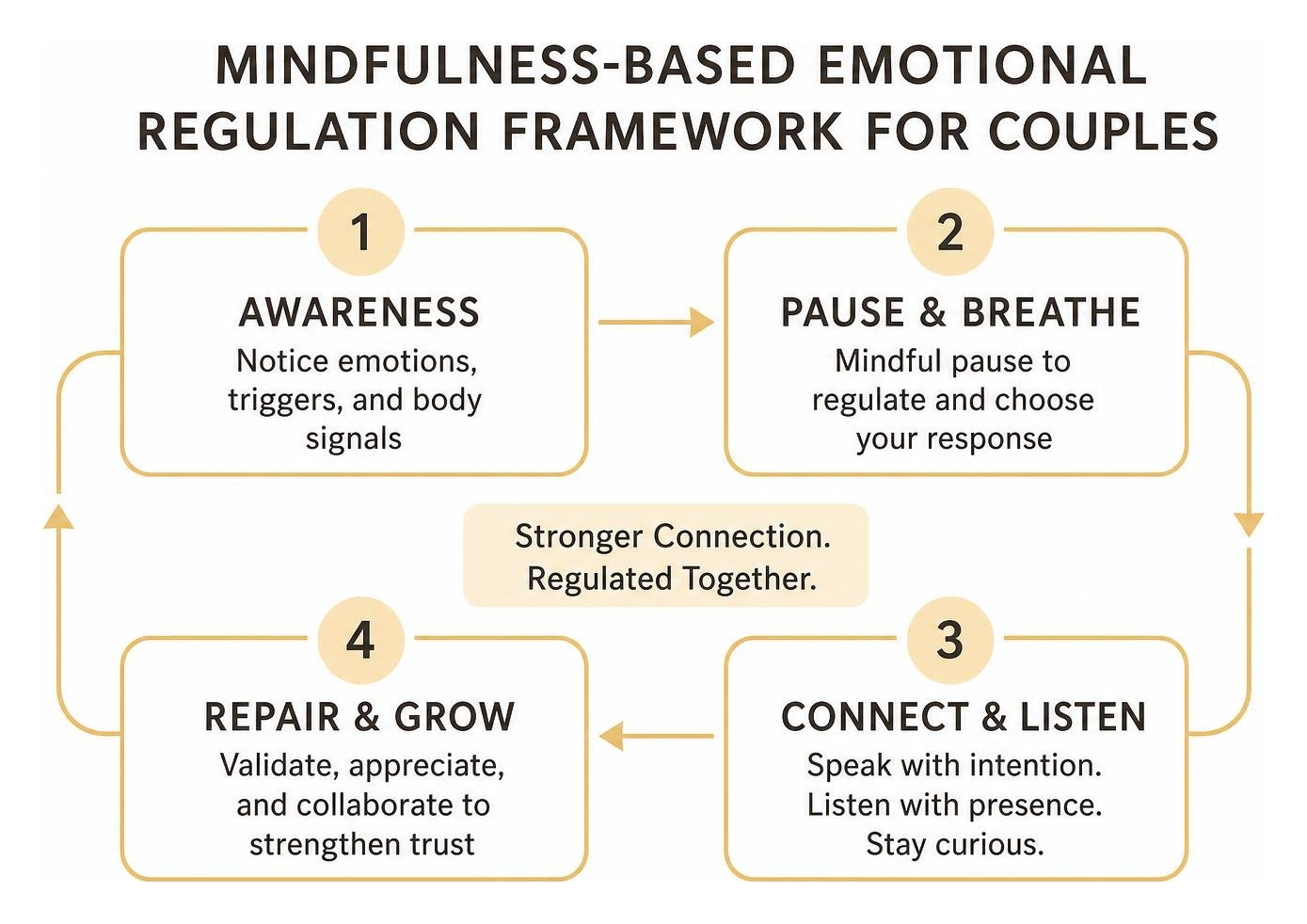
When you step into a dedicated therapeutic setting, you gain far more than basic advice; you cultivate genuine emotional safety and attachment security. Many partners find that underneath everyday logistical stress lies an automatic nervous system reaction. One partner might withdraw when overwhelmed, while the other leans in with urgency.
Premarital counseling offers essential benefits that transform these natural reactions into points of connection:
- Attachment Awareness: Understand how early life bonds influence how you seek comfort and reassurance from your partner.
- De-escalation Skills: Learn to recognize physiological arousal in real time, pausing conversations before words cause unintended hurt.
- Proactive Problem Solving: Approach future hurdles—such as career transitions, family demands, or health shifts—as a unified team.
- Emotional Vulnerability: Cultivate a non-judgmental environment where both partners can share tender fears without fear of rejection.
By seeking professional relationship support, you establish lifelong resilience, ensuring that your partnership remains a haven of comfort even during demanding life transitions.
Core Focus Areas: Communication, Finances, and Intimacy
Consider a familiar scenario: You and your partner are discussing holiday plans with extended family. Suddenly, an offhand comment about travel costs sparks quiet tension. Your chest tightens, and your partner grows silent, looking away. In this moment, the issue is rarely just the budget or the calendar—it is about feeling valued, protected, and heard.
Premarital counseling provides a compassionate container to explore these nuanced themes before they turn into repetitive cycles:
- Financial Alignment: Money often carries unspoken emotional meaning, representing safety, freedom, or status. We help you explore family-of-origin money stories, create transparent spending boundaries, and design collaborative long-term savings goals.
- Emotional & Physical Intimacy: Sustaining desire and closeness requires openness. Couples learn to express desires, talk through changes in libido with warmth, and foster deep emotional attunement.
- Role Expectations & Family Boundaries: Establishing healthy boundaries with in-laws while defining personal domestic responsibilities creates mutual respect and prevents resentment.
- Parenting & Shared Values: If children are part of your vision, aligning on discipline, spiritual traditions, and cultural heritage ensures a harmonious family culture.
Engaging in this focused couples therapy helps you map out these domains with empathy, turning potential conflicts into deeper intimacy.
Therapeutic Approaches to Relationship Preparation
Not all counseling methods operate the same way. At Spark Relational Counseling, led by founder May Han, we believe enduring change happens when couples move beyond superficial dialogue and engage with the emotional and physiological underpinnings of their dynamic. We prioritize experiential, nervous-system-informed modalities rather than purely cognitive check-lists.
| Therapeutic Modality | Primary Focus | Core Mechanism | Best Suited For |
|---|---|---|---|
| Emotionally-Focused Therapy (EFT) | Attachment bonds & emotional security | Identifies cycle of disconnection; creates safe emotional bonding moments | Deepening vulnerability & de-escalating repetitive conflict |
| Accelerated Experiential Dynamic Psychotherapy (AEDP) | Processing deep affect & relational healing | Uses real-time felt experience to undo emotional aloneness | Healing past wounds & expanding positive relational states |
| Brainspotting & Experiential Therapy | Subcortical processing & somatic release | Accesses somatic markers to clear unconscious triggers | Resolving deep-seated emotional reactivity and trauma |
| Humanistic & Relational Counseling | Holistic self-actualization & mutual empathy | Focuses on authentic presence, values alignment, and shared meaning | Cultivating collaborative growth and conscious partnership |
Through these modalities, we guide couples to look beneath surface disagreements. If you are seeking therapy for relationship issues in the Portland area, accessing deeper emotional channels allows you to align unconscious brain autopilots, transforming instinctual defensiveness into compassionate curiosity.
Finding the Best Premarital Counseling West Linn Options for Your Needs

Selecting the right therapist is a personal and significant decision. When choosing the right type of therapist, you want a practitioner who honors your unique identity, relationship structure, and personal worldview.
For many couples, embracing online relationship therapy offers the flexibility needed to fit regular sessions into busy work schedules without commuting across Clackamas County or the wider Portland metro area. Virtual therapy allows you to practice regulation tools and engage in meaningful conversations from the comfort of your own living room—the exact environment where your daily life unfolds.
Ensure your prospective therapist provides inclusive, LGBTQ+ affirming care and possesses specific post-graduate training in couples modalities. A strong practitioner should make both partners feel equally supported, heard, and validated throughout every conversation.
Costs, Insurance Coverage, and Affordable Alternatives
When considering the investment in your relational future, understanding the financial landscape is helpful. In the West Linn and greater Clackamas County area, private therapy fees typically range between $150 and $275 per clinical hour, depending on the therapist's specialized credentials and experience.
While some couples explore whether their health insurance policy can offset costs through in-network benefits or out-of-network superbill reimbursement, it is essential to be fully informed about how insurance works in relationship therapy. Insurance companies operate on a medical necessity model. To process a claim, a provider must assign a formal psychiatric diagnosis (such as Major Depressive Disorder or Generalized Anxiety Disorder) to one partner, framing relationship growth as the treatment of an illness.
This diagnostic record becomes part of your permanent medical history, which can lead to unexpected complications later in life—such as increased premiums or denials for private disability insurance, life insurance policies, specific security clearances, or international adoption processes. Furthermore, relying on insurance allows third-party claims reviewers to access sensitive session documentation.
For these reasons, many couples choose private-pay options, Health Savings Accounts (HSA), or Flexible Spending Accounts (FSA) to safeguard their complete confidentiality. For those navigating temporary financial constraints, many community clinics and private practitioners provide sliding scale options to keep care accessible.
Practical Steps to Prepare for Marriage Therapy Sessions
Getting the most out of your premarital journey requires active, intentional engagement both inside and outside the clinical setting.
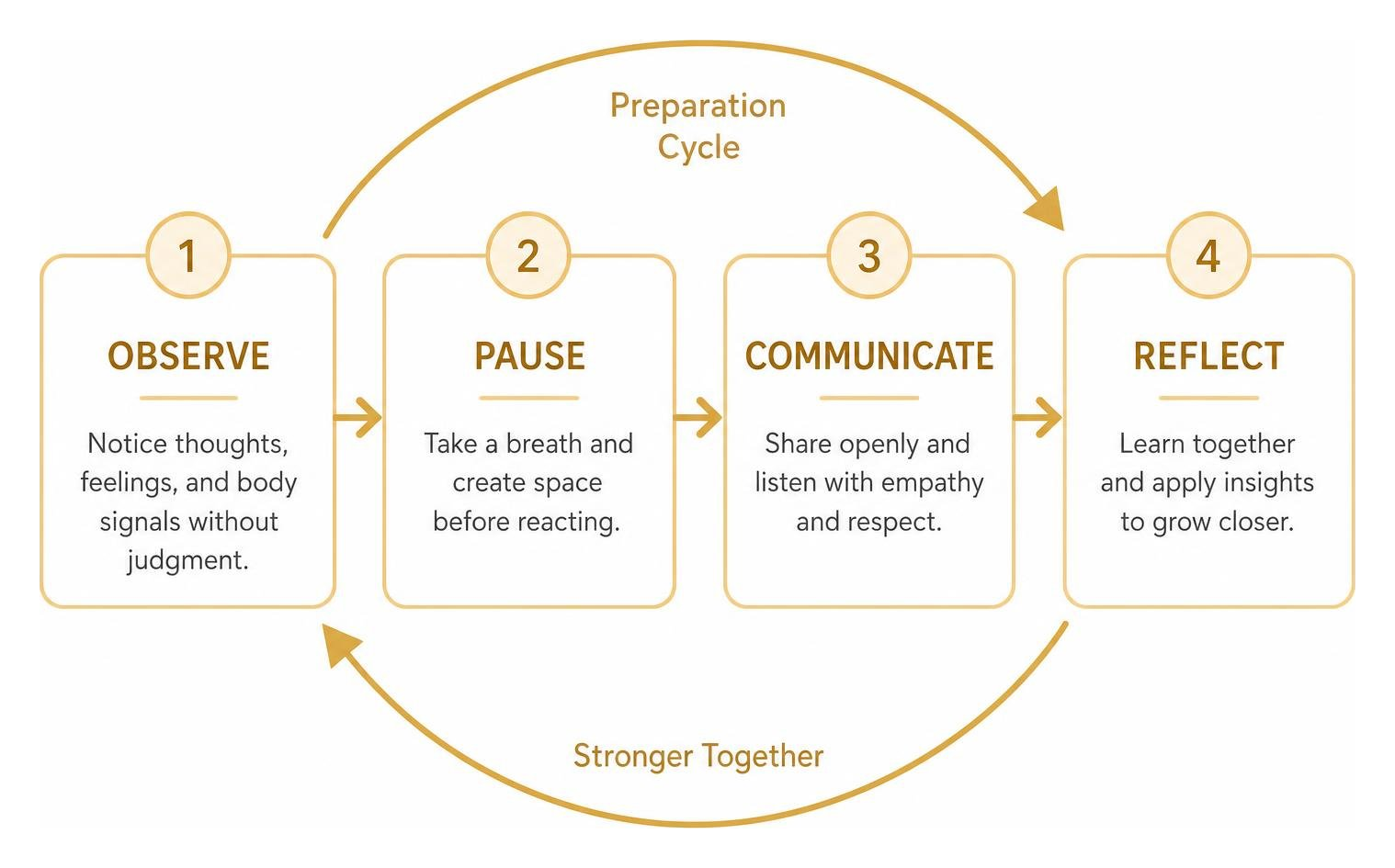
To maximize your experience, consider adopting these collaborative practices:
- Set Mutual Intentions: Discuss what a thriving, connected marriage looks like to each of you before your first appointment.
- Track Emotional Thresholds with Mindfulness: Notice when your body begins to feel tense, flushed, or shut down during a disagreement. Practice taking a slow breath and gently communicating when you are nearing your emotional bandwidth limit.
- Keep a Shared Reflection Journal: Note recurring themes or conversations that felt challenging between sessions. Bring these real-world moments into therapy as opportunities for exploration rather than blame.
- Practice Micro-Moments of Attunement: Dedicate five minutes each evening to sit quietly together without screens, offering a warm check-in to reinforce your emotional bond.
Frequently Asked Questions About Premarital Counseling
When is the ideal time to start premarital therapy before the wedding?
The sweet spot for starting premarital therapy is typically six to nine months before your wedding date. This timeline allows you to move through sessions calmly without the heightened pressure of final wedding-week deadlines. Starting early gives you ample space to integrate new communication habits, explore deep-rooted family traditions, and enjoy the planning process with grounded confidence.
Does health insurance cover premarital counseling sessions in Oregon?
Health insurance rarely covers premarital counseling because standard marriage preparation does not meet the diagnostic criteria for a reimbursable mental health condition. While some couples utilize Health Savings Accounts (HSA) or Flexible Spending Accounts (FSA) to cover self-pay session packages, paying privately ensures your private relationship discussions remain strictly confidential and entirely outside of medical databases.
How many sessions do couples typically need?
Most couples find that a structured package of 6 to 10 sessions provides the right depth and momentum. This duration offers enough time to complete relational assessments, address core focus areas like finances and intimacy, and practice nervous-system regulation techniques. Some couples choose to continue with occasional seasonal tune-ups to support their connection through major life transitions.
Conclusion
Your wedding day is an extraordinary celebration of commitment, but the marriage that follows is the true journey. Proactively tending to your relational health is an enduring act of love that pays dividends across every chapter of your shared life.
At Spark Relational Counseling, May Han and our compassionate team guide couples throughout Oregon, Washington, and Illinois toward lasting harmony by shifting out of reactive habits and into authentic connection. Using our mindfulness-based relational therapy approach, we help you counter negative brain autopilots and build an emotionally secure partnership. Take the next step in preparing for your future together and schedule your premarital counseling consultation today.