Natural Remedies for Anxiety You Can Try Today

Natural remedies for anxiety can start with a few minutes of slow, comfortable breathing, a walk, or a short mindfulness practice. These simple habits may ease everyday stress. Some herbal products, including oral lavender, also show promise, but they can cause side effects or interact with medication. If anxiety keeps affecting your sleep, work, or relationships, seek professional support rather than relying on self-care alone.
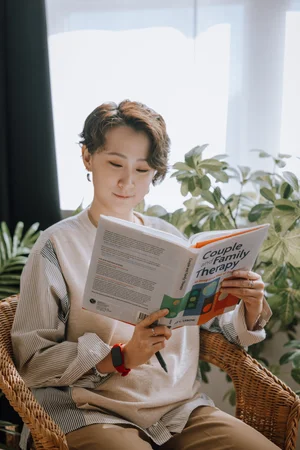
I'm May Han, a licensed marriage and family therapist at Spark Relational Counseling. My work with mindfulness and stress management shapes how I approach natural remedies for anxiety, especially when stress spills into relationships.
Globally, roughly 300 million people navigate depression and debilitating stress, while anxiety disorders alone account for over 24 million years lived with disability worldwide (Kenda et al., 2022). When daily pressures activate our autonomic nervous system, the body enters a continuous fight-or-flight cycle. Cortisol surges, breathing turns shallow, and our baseline physiology resets to high alert.
Understanding how botanical compounds, somatic movement, and nervous system regulation interact allows us to soothe physical tension naturally before chronic distress takes root.
The Most Effective Natural Remedies for Anxiety Backed by Science
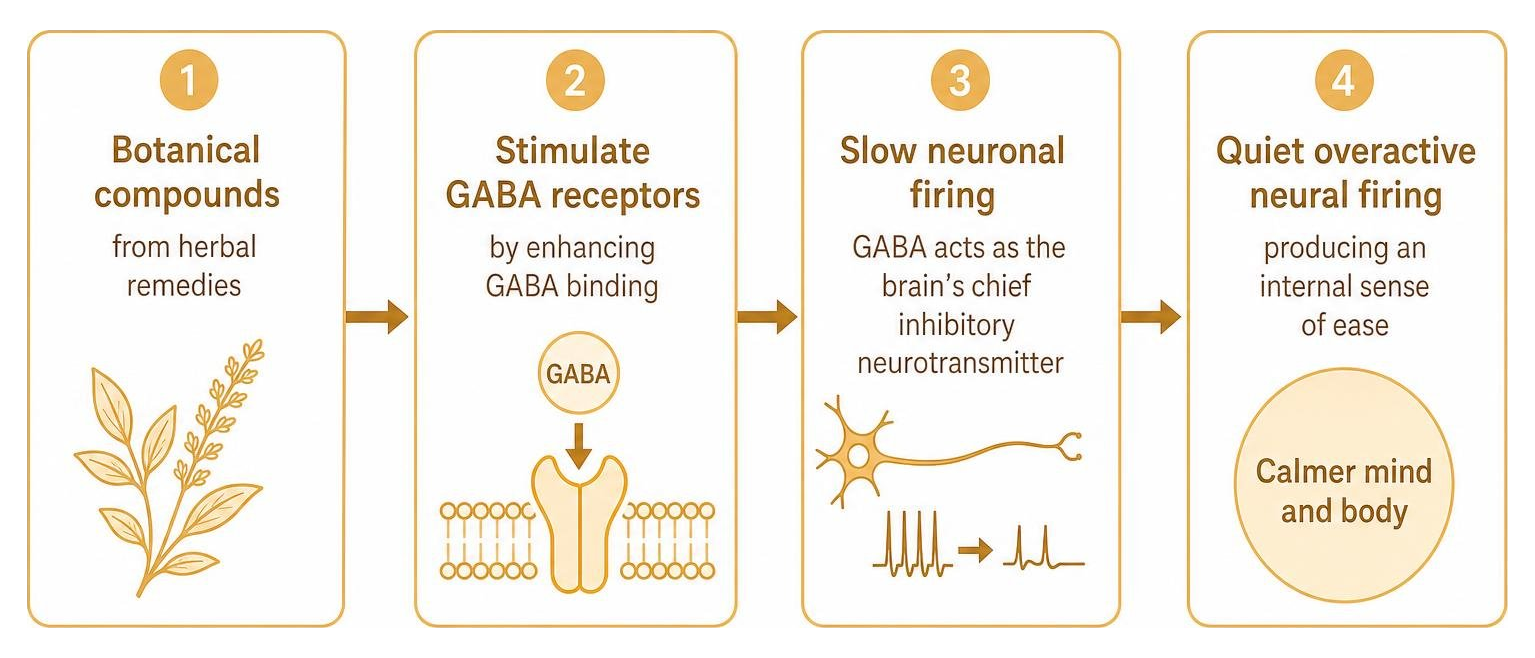
When evaluating non-pharmaceutical options, separating evidence-based plant medicine from wellness folklore is essential. Botanical anxiolytics influence brain chemistry primarily through the gamma-aminobutyric acid (GABA) pathway—the central nervous system's chief inhibitory neurotransmitter.
When GABA binds to its receptors, it slows neuronal firing, producing an internal sense of ease. Several medicinal plants have received formal recognition from organizations like the European Medicines Agency (EMA), confirming their role in relieving mild stress when used as standardized extracts.
Herbal Natural Remedies for Anxiety with Clinical Evidence
Rigorous clinical trials provide clear insight into which herbs provide measurable relief:
- Lavender (Lavandula angustifolia): Standardized oral lavender oil preparations demonstrate remarkable clinical efficacy. In randomized clinical trials, oral lavender decreased Hamilton Anxiety Scale scores by over 50% in 60% of treated generalized anxiety patients, performing comparably to conventional medications without risks of dependency or daytime sedation (Kenda et al., 2022).
- Chamomile (Matricaria chamomilla): Chamomile contains apigenin, an antioxidant flavonoid that binds directly to benzodiazepine receptors in the brain, moderating nervous tension. Clinical research shows long-term chamomile extract significantly reduces moderate-to-severe symptoms of generalized anxiety.
- Lemon Balm (Melissa officinalis): A 2021 meta-analysis highlighted lemon balm's ability to reduce acute anxiety and depressive episodes (Kenda et al., 2022). It works by inhibiting GABA-transaminase—an enzyme that degrades GABA—thereby maintaining higher levels of calming neurotransmitters.
- Passionflower (Passiflora incarnata): Passionflower flavonoids act as partial agonists at GABA-A receptor sites, encouraging relaxation without severe cognitive slowing.
- Hops (Humulus lupulus): Often paired with valerian, hops contain volatile bitter resins that enhance sedative signaling in nocturnal restlessness.
- Peppermint (Mentha × piperita): While soothing for muscle tension and digestive spasms related to stress, peppermint lacks clinical data supporting its use as a direct psychiatric anxiolytic (Kenda et al., 2022).
| Botanical Remedy | Primary Active Compound | Primary Mechanism of Action | Clinical Evidence Level | Primary Use Case |
|---|---|---|---|---|
| Lavender | Linalool, Linalyl acetate | Calcium channel modulation, SERT binding | High (Multiple RCTs) | Generalized worry, somatic tension |
| Chamomile | Apigenin | Benzodiazepine-GABA receptor binding | Moderate to High | Chronic generalized tension, irritability |
| Lemon Balm | Rosmarinic acid | GABA-transaminase enzyme inhibition | Moderate | Acute stress spikes, nervous heart racing |
| Passionflower | Flavonoids (Chrysin, Vitexin) | GABA-A receptor partial agonism | Moderate | Situational anxiety, racing thoughts |
| Hops | Humulone, Lupulone | Central nervous system sedation | Low to Moderate | Sleep-onset latency, restlessness |
| Peppermint | Menthol | Antispasmodic smooth muscle relaxation | Inconclusive for Mood | Somatic GI stress symptoms |
Before incorporating new botanicals, reviewing clinical assessments of herbal treatments for anxiety helps ensure your chosen approach aligns with your personal medical history.
Safety Warnings for Kava, Saffron, and St. John's Wort
Natural herbs possess active biochemical properties that require cautious handling. Unregulated over-the-counter formulas can vary in potency and purity:
- Kava-Kava (Piper methysticum): Although kavalactones demonstrate potent anxiolytic properties, kava is linked to rare cases of severe hepatotoxicity and liver failure (Kenda et al., 2022). Regular liver enzyme monitoring is essential, and kava should never be mixed with alcohol or hepatotoxic medications.
- St. John's Wort (Hypericum perforatum): While effective for depressive symptoms, St. John's wort is a potent inducer of the cytochrome P450 enzyme CYP3A4. It rapidly metabolizes and deactivates oral contraceptives, blood thinners, and immunosuppressants. Combining it with SSRIs or SNRIs can trigger life-threatening serotonin syndrome.
- Saffron (Crocus sativus): Saffron supports mood stability and serotonin reuptake, but high doses (exceeding 30–50 mg daily) can cause dizziness, nausea, and uterine contractions during pregnancy.
Key Interactions to Avoid:
- St. John's Wort + Prescription Antidepressants: Excessive synaptic serotonin accumulation.
- Kava / Valerian + Sedatives or Alcohol: Compounded central nervous system depression.
- Chamomile + Anticoagulants (Warfarin): Increased bleeding risk due to natural coumarin compounds.
Daily Mind-Body Practices to Regulate the Nervous System
While botanicals introduce external calming compounds, mind-body practices activate our internal regulatory mechanisms. Somatic exercises strengthen vagal tone, stimulating the vagus nerve to slow cardiac rhythm, reduce blood pressure, and halt cortisol secretion.
Somatic and Lifestyle Natural Remedies for Anxiety Relief
Integrating deliberate physical cues retrains the brain away from habitual threat responses:
- The 4-7-8 Breathing Method: Inhale quietly through your nose for 4 counts, hold your breath for 7 counts, and exhale completely through your mouth for 8 counts. This extended exhalation forces the autonomic nervous system to disengage fight-or-flight signaling.
- 5-4-3-2-1 Sensory Grounding: Anchor yourself in moments of distress by identifying 5 things you can see, 4 you can physically feel, 3 you can hear, 2 you can smell, and 1 you can taste. This breaks cognitive loops by demanding sensory processing from the prefrontal cortex.
- Progressive Muscle Relaxation (PMR): Systematically tense each muscle group for 5 seconds and release for 15 seconds, moving from your feet to your forehead to discharge stored adrenaline.
- Moderate Aerobic Exercise: Engaging in 20 to 30 minutes of brisk movement releases endorphins and brain-derived neurotrophic factor (BDNF), reducing overall anxiety vulnerability.
Exploring integrative lifestyle strategies to relieve anxiety alongside structured mindfulness practices for chronic stress and burnout offers a balanced foundation for physical and emotional steadiness.
Comparing Mind-Body Techniques and Herbal Interventions
Botanical supplements supply biological support, but somatic and experiential techniques build lifelong neuroplastic resilience.
Herbal remedies modulate neurochemistry passively. Somatic grounding, breathwork, and mindful awareness teach your body to recognize emotional thresholds, interrupt fight-or-flight reflexes, and establish sustainable boundaries. Discovering how mindfulness cultivates relational connection and emotional balance ensures these skills support both personal calm and your closest relationships.
Lifestyle Tweaks to Protect Your Gut-Brain Axis and Sleep Quality
Our digestive tract and brain communicate constantly via the vagus nerve and biochemical messengers. An inflamed gut microbiome can dysregulate systemic neurotransmitters, lowering your resilience to daily stressors.
To reinforce this internal balance:
- Protect Microbiome Diversity: Emphasize prebiotic fibers (leeks, asparagus, oats) and fermented foods (kefir, kimchi) to promote short-chain fatty acid synthesis, supporting healthy serotonin levels.
- Evaluate Stimulants and Depressants: Caffeine blocks adenosine receptors and triggers adrenaline release, directly inducing physical jitteriness and panic. Alcohol, while temporarily sedating, depletes GABA stores and causes severe rebound anxiety during midnight withdrawal.
- Prioritize Restorative Sleep Hygiene: Support your circadian rhythm by maintaining consistent sleep-wake times and avoiding blue light for 60 minutes before bed.
- Nutritional Supplements: Magnesium glycinate relaxes tight muscular tissue and supports GABA synthesis, while omega-3 fatty acids (EPA/DHA at 2 g daily) lower neuroinflammation.
For a deeper dive into physiological and psychological underpinnings, explore our comprehensive overview of anxiety disorders and treatments.
When to Seek Professional Support for Persistent Anxiety Symptoms

Natural and somatic practices are excellent for managing daily stress, but they have limitations when facing clinical disorders.
Picture this: You wake up already anticipating catastrophe. At work, your chest tightens during routine emails. At home, you find yourself snapping at your partner or withdrawing emotionally, unable to relax no matter how much chamomile tea you drink or deep breathing you practice.
When anxiety causes ongoing functional impairment, panic attacks, or emotional detachment, professional guidance becomes vital.
Rather than focusing solely on intellectual thought modification, deeper healing happens when we access emotional processing directly. In our clinical practice, we utilize experiential, depth-oriented modalities:
- Emotion-Focused Therapy (EFT): Identifies the vulnerable emotional undercurrents beneath chronic worry, helping you express needs clearly without defensive panic.
- Accelerated Experiential Dynamic Psychotherapy (AEDP): Processes difficult, buried emotions in a safe, collaborative therapeutic space to restore natural vitality.
- Brainspotting: Uses precise visual focal points to locate, process, and release neurophysiological emotional trauma held deep within the subcortical brain.
Navigating Healthcare and Privacy Considerations
When exploring professional care, understanding your privacy options is empowering. While using in-network health insurance offers direct co-pay benefits, it requires a formal psychiatric diagnosis that becomes part of your permanent medical record.
This documentation can carry unexpected consequences for future disability coverage, life insurance policies, specific security clearances, or international adoption processes. Choosing private-pay care protects your complete diagnostic privacy, keeping the focus entirely on personal growth and deep emotional repair.
Explore effective clinical approaches for managing stress and severe anxiety or schedule virtual individual counseling for anxiety to receive personalized support across Washington, Oregon, and Illinois.
Frequently Asked Questions About Natural Remedies for Anxiety
Can natural remedies completely cure clinical anxiety disorders?
Natural remedies excel at soothing mild situational stress, easing physical tension, and supporting nervous system health. However, moderate to severe clinical anxiety disorders—such as Panic Disorder, Agoraphobia, or severe Generalized Anxiety Disorder—often stem from complex attachment wounds, neurobiological vulnerabilities, or unintegrated trauma. These challenges typically require experiential psychotherapy alongside structured lifestyle habits for lasting resolution.
Are herbal anxiety supplements safe to take with prescription antidepressants?
Not always. Several botanicals present serious pharmacological interactions. For example, St. John's wort combined with SSRIs or SNRIs can precipitate dangerous serotonin toxicity. Other supplements, such as kava or high-dose valerian, can amplify the sedative effects of central nervous system depressants. Always consult a prescribing physician before combining herbal supplements with pharmaceutical medications.
How quickly do somatic breathing techniques stop acute panic attacks?
Somatic techniques like extended-exhalation breathing (such as the 4-7-8 pattern) begin shifting autonomic nervous tone within 90 to 120 seconds. Lengthening the exhale signals the brainstem that immediate danger has passed, activating the vagus nerve, lowering cardiac output, and halting acute hyperventilation.
Conclusion
Nurturing emotional calm is an ongoing journey of tuning into your body's signals with patience and care. Integrating proven botanical options, somatic grounding, restorative sleep habits, and balanced nutrition creates a reliable foundation for daily stress management.
When anxiety runs deep or strains your closest relationships, you do not have to untangle it alone. Led by licensed marriage and family therapist May Han, our team at Spark Relational Counseling provides compassionate, mindfulness-based virtual individual and couples therapy across Oregon, Washington, and Illinois. Together, we can help calm negative brain autopilots, cultivate emotional resilience, and restore harmony to your life and partnerships.
Explore personalized virtual anxiety treatment with our clinical team today.
References
Kenda M, Kočevar Glavač N, Nagy M, Sollner Dolenc M. "Medicinal Plants Used for Anxiety, Depression, or Stress Treatment: An Update.." Molecules (Basel, Switzerland), 2022. PMCID PMC9500625.